
Nipah Virus Explained: A Comprehensive Guide to Symptoms, Risks, and Prevention for US Readers

Introduction In recent global health news, the Nipah virus (NiV) has re-emerged in headlines, sparking curiosity and concern across the United States. While the virus is primarily active in parts of Asia, the interconnected nature of our modern world means that understanding “distant” health threats is more important than ever. When Americans search for “Nipah virus,” they are often looking for reassurance, facts about transmission, and clarity on whether it poses a domestic threat.
This comprehensive guide is designed to cut through the noise. We will break down exactly what the Nipah virus is, how it spreads, and why international health organizations like the WHO and CDC monitor it so closely. Below are the ten most critical topics you need to understand about this pathogen.
What is the Nipah Virus? A Complete Overview
The Nipah virus is a zoonotic virus, meaning it spreads from animals to humans. It belongs to the Paramyxoviridae family, specifically the genus Henipavirus. It is related to the Hendra virus, another rare but severe pathogen.
Key Facts:
- Origin: It was first identified in 1999 during an outbreak among pig farmers in Malaysia and Singapore.
- Natural Host: The natural reservoir for the virus is the fruit bat (genus Pteropus), also known as the “flying fox.”
- Severity: Unlike the common flu, Nipah is considered a high-consequence pathogen because it can cause severe disease, ranging from acute respiratory infection to fatal encephalitis (inflammation of the brain).
While outbreaks occur periodically in Asia (primarily Bangladesh and India), the virus is significant to the global medical community because of its high mortality rate and the lack of a specific cure.
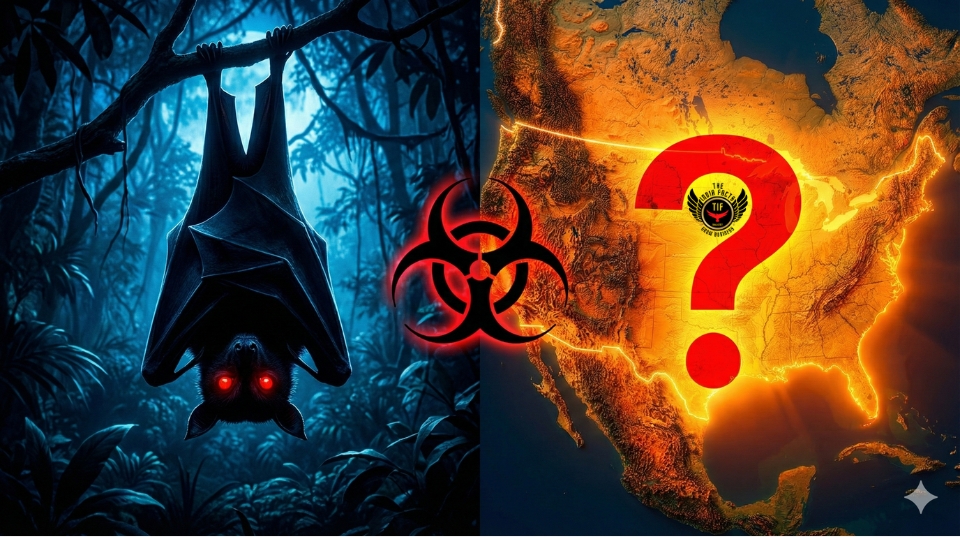
Nipah Virus Current Risk Status: Is the Nipah Virus in the USA?
This is the number one question for most US readers: Is it here?
The Short Answer: No. As of early 2026, there have been no reported cases of Nipah virus acquired in the United States.
Detailed Risk Assessment:
- Geographic Limitation: The specific fruit bats that carry the virus are found in Southeast Asia, South Asia, and parts of Africa and Australia. They are not native to the United States.
- Importation Risk: While it is theoretically possible for an infected traveler to bring the virus to the US, the likelihood of a widespread outbreak is considered very low by the CDC.
- CDC Monitoring: The Centers for Disease Control and Prevention (CDC) maintains strict surveillance on global outbreaks. They have protocols in place to identify, isolate, and treat any potential imported cases immediately.
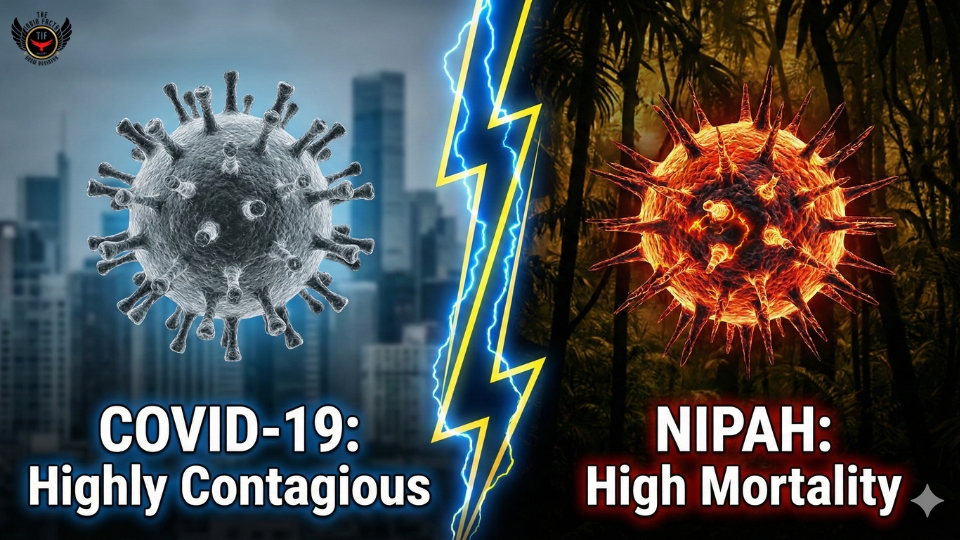
Why the Concern? Americans search for this topic because global travel can move pathogens quickly. However, unlike highly transmissible airborne viruses (like measles or some variants of COVID-19), Nipah requires closer contact to spread, making a massive US epidemic unlikely under current conditions.
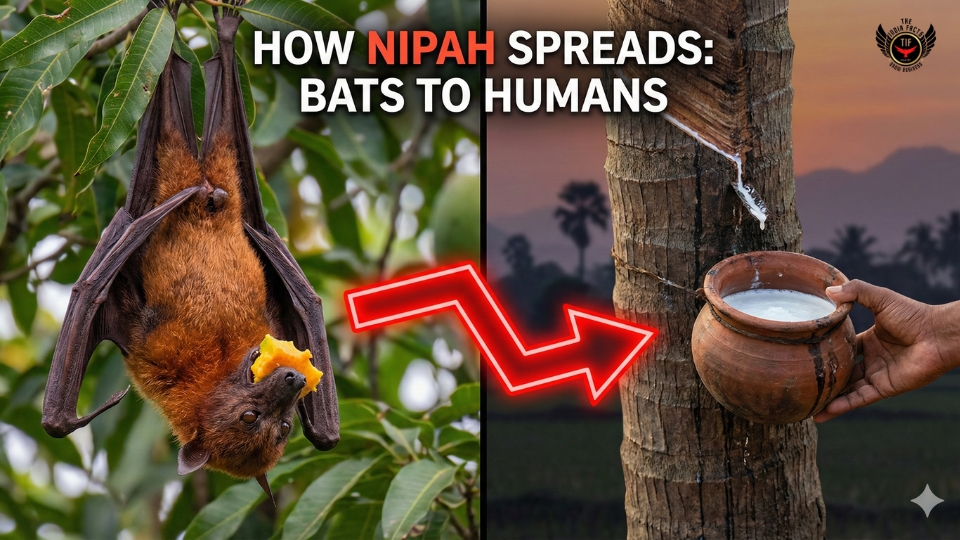
Nipah Virus How Nipah Spreads: Transmission from Animals to Humans
Understanding transmission is the key to prevention. Nipah does not just “float” in the air like a cloud; it moves through specific pathways.
Modes of Transmission:
- Animal-to-Human (Spillover): This is the most common start to an outbreak. Humans can get infected by handling sick animals (like pigs) or coming into contact with the saliva, urine, or droppings of infected fruit bats.
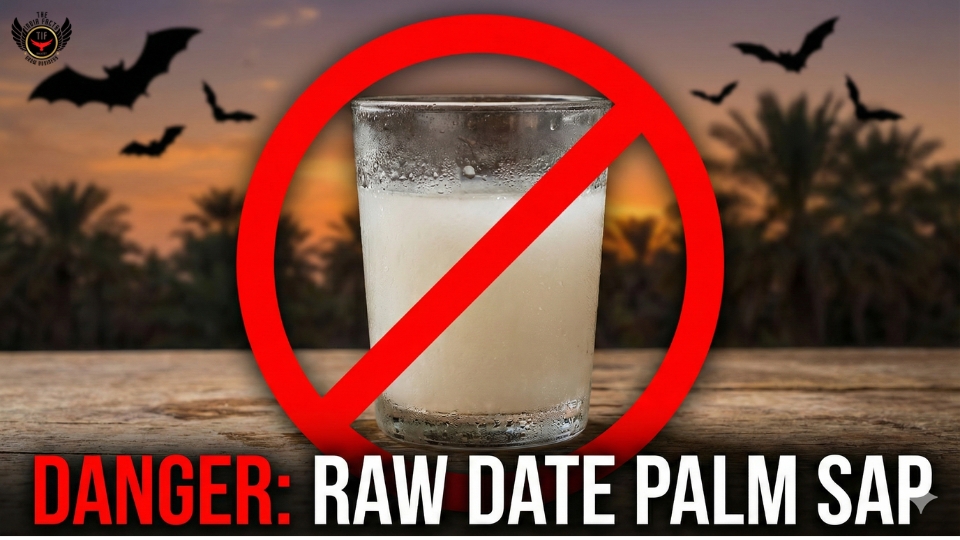
- Contaminated Food: A major source of transmission in Bangladesh has been raw date palm sap. Fruit bats often drink from the clay pots used to collect the sap, urinating or salivating into the liquid. Humans who drink this raw sap can become infected.
- Human-to-Human: Once a person is infected, they can spread the virus to others. This typically happens through close contact with body fluids (blood, urine, saliva) of an infected person. Caregivers and healthcare workers are at the highest risk if they are not using proper Personal Protective Equipment (PPE).
Important Note: The virus is not considered truly airborne in the same way as measles, but it can spread through respiratory droplets (coughing/sneezing) during close face-to-face contact.
Nipah Virus Critical Symptoms: Early Warning Signs of Nipah Infection
The symptoms of Nipah virus can be terrifying because they often start generically but escalate quickly.
Phase 1: The Initial Onset (3-14 days after exposure)
- Fever and headaches
- Muscle pain (myalgia)
- Vomiting and sore throat
- Dizziness
Phase 2: Severe Progression As the infection deepens, it attacks the respiratory and nervous systems.
- Respiratory Distress: Acute pneumonia, atypical pneumonia, and severe breathing difficulties.
- Encephalitis (Brain Swelling): This is the most dangerous phase. Symptoms include drowsiness, disorientation, mental confusion, and altered consciousness.
- Coma: In severe cases, progression to a coma can occur rapidly, sometimes within 24 to 48 hours of the onset of neurological symptoms.
The Incubation Period: How Long Before Symptoms Start?
The “incubation period” is the time between catching the virus and showing the first symptoms. This timeline is crucial for containment.
- Standard Window: Symptoms typically appear 4 to 14 days after exposure.
- Extended Incubation: There have been documented cases where the incubation period was as long as 45 days.
- Why This Matters: A long incubation period means a traveler could theoretically leave an endemic region and not show symptoms until weeks after arriving in the US. This is why travel history is a critical question doctors ask during diagnosis.
Latent Infection: Rarely, the virus can remain dormant (asleep) in the body for months or even years and reactivate later. This “relapsing” condition can cause delayed death or neurological issues long after the initial exposure.
Nipah Virus Diagnosis and Treatment Options: Is There a Cure?
Currently, there are no licensed treatments or vaccines specifically for Nipah virus infection for either humans or animals. This is why it is classified as a Biosafety Level 4 (BSL-4) pathogen—the highest level of bio-hazard.
Diagnosis Methods:
- RT-PCR (Real-Time Polymerase Chain Reaction): The gold standard for detecting the virus in bodily fluids (throat swabs, urine, blood) during the acute phase.
- ELISA: Used to detect antibodies later in the infection or after recovery.
Treatment Protocol: Since there is no “Nipah pill,” treatment focuses on supportive care:
- Keeping the patient hydrated.
- Treating secondary infections.
- Managing fever and pain.
- Using mechanical ventilation if respiratory failure occurs.
Experimental Treatments:
- Monoclonal Antibodies: Some experimental treatments (like m102.4) have shown promise in compassionate use cases.
- Remdesivir: The antiviral drug used during the COVID-19 pandemic has shown efficacy against Nipah in animal studies and is being explored as a potential treatment.
Nipah Virus Prevention Guide: CDC Recommendations for Staying Safe
For those living in or traveling to areas where Nipah is known to exist (like parts of India or Bangladesh), prevention is the only defense.
- Avoid Date Palm Sap: Do not drink raw date palm sap. If it must be consumed, it should be boiled first to kill the virus.
- Wash Fruit Thoroughly: Peel and wash all fruits. Discard any fruit that shows signs of bat bites (tooth marks).
- Animal Distance: Avoid contact with pigs and bats. Do not touch sick animals or their bedding.
- Hand Hygiene: Wash hands frequently with soap and water, especially after visiting markets or handling food.
- Healthcare Safety: Healthcare workers must use standard infection control precautions (gloves, gowns, masks, eye protection) when caring for patients with suspected Nipah infection.
For US Residents: The primary prevention is awareness during travel. If you travel to an outbreak zone, follow the local health advisories strictly.
Nipah Virus vs. COVID-19: Understanding the Differences
It is natural to compare any new viral threat to COVID-19, but they are very different pathogens.
| Feature | COVID-19 (SARS-CoV-2) | Nipah Virus (NiV) |
| Fatality Rate | Generally < 1-2% | 40% to 75% |
| Transmission | Highly contagious (Airborne/Droplet) | Less contagious (Direct Contact) |
| Reservoir | Likely Bats (via intermediate) | Fruit Bats (Pteropus) |
| Vaccine | Available | Not Available |
| Global Spread | Pandemic | Localized Outbreaks (Epidemic) |
Global Outbreak History: From Malaysia to India
Looking at the history helps researchers predict future patterns. Nipah is not “new,” but it is persistent.
- 1998-1999 (Malaysia/Singapore): The inaugural outbreak resulted in nearly 300 human cases and over 100 deaths. It led to the culling of over one million pigs to stop the spread. Since then, no new cases have been reported in Malaysia.
- 2001-Present (Bangladesh): Bangladesh experiences nearly annual outbreaks. These are often linked to the winter harvest of date palm sap.
- India: Several outbreaks have occurred in states like West Bengal and Kerala. These outbreaks are notable for the high efficiency of human-to-human transmission in hospital settings.
- The Pattern: Outbreaks are typically seasonal and localized, but the high death rate (often exceeding 70% in these regions) keeps the global health community on high alert.
Why Nipah is a “Priority Pathogen” for the WHO
The World Health Organization (WHO) maintains a list of “Priority Pathogens”—diseases that pose a major public health risk because of their epidemic potential and lack of countermeasures. Nipah is near the top of this list.
Why it is a Priority:
- High Mutation Rate: As an RNA virus, it has the potential to mutate. A mutation that makes it more transmissible between humans could be catastrophic.
- Wide Host Range: It can infect a variety of animals (pigs, horses, dogs, cats), making it harder to control.
- Lack of Tools: The absence of a vaccine and effective drugs leaves a gap in our global biological defense.
The Future: Significant funding, including from CEPI (Coalition for Epidemic Preparedness Innovations), is currently being poured into developing a Nipah vaccine. Several candidates are in pre-clinical or early clinical trials. Until a vaccine is deployed, surveillance and education remain our best weapons.
Conclusion
While the word “virus” can induce anxiety, knowledge is the antidote to fear. For people in the United States, the immediate risk of Nipah virus is negligible. However, staying informed helps us support global health initiatives and stay safe during international travel. By understanding how the virus spreads—through bats, pigs, and contaminated food—we can appreciate the importance of the work being done by scientists and doctors to keep these outbreaks contained.
Disclaimer: This blog post is for informational purposes only and does not constitute medical advice. For the most current travel health notices, always consult the official CDC website.






A really good blog and me back again.